Most important takeaways…
- Most NP preceptors volunteer with little or no pay, motivated by professional duty rather than financial compensation.
- MSN students need 500 to 700 clinical hours while DNP students require 1,000 or more, doubling the placement challenge.
- Paid preceptor matching services can cost as much as a tuition payment, so weigh alternatives before committing.
- Telehealth clinical hours may count toward your requirement, but rules vary by accreditor, state board, and program.
NP enrollment has climbed steadily for over a decade, but the pool of qualified preceptors willing to take students has not kept pace. The mismatch is now the most commonly cited source of stress among NP students. The American Association of Colleges of Nursing reported record NP program enrollment in recent years, yet preceptors remain uncompensated volunteers in most states, which limits how many students any one clinician can realistically absorb.
Some programs maintain their own placement networks and assign students to vetted sites. Many others, particularly fully online programs, expect students to secure every hour independently. Both scenarios require the same underlying skills: early outreach, relationship building, and a working knowledge of what preceptors actually want from the arrangement.
The shortage is structural, not temporary. Until states or employers create formal incentives for preceptors, students who treat placement as a passive process will wait far longer than those who approach it systematically.
What Is an NP Clinical Preceptor and Why Are They Hard to Find?
A clinical preceptor is the single most important person standing between you and your NP license, and right now there are not enough of them to go around. Until you secure one, your degree progress stops cold.
What a Preceptor Actually Does
A nurse practitioner clinical preceptor is a licensed, practicing provider who supervises, teaches, and evaluates you during your clinical rotations. Depending on your state's regulations and your program's policies, that provider can be an NP, a physician (MD or DO), or in some cases a physician assistant. They sign off on your patient encounters, validate your clinical hours, and complete the competency evaluations your school requires to advance you toward graduation. In effect, they convert classroom theory into bedside judgment, which is why programs are so strict about who qualifies.
The Supply and Demand Problem
The numbers tell a stark story. According to the American Association of Colleges of Nursing, master's nursing programs enrolled 136,656 students in 2024, up 4.8 percent year over year, while DNP enrollment reached 42,767 across 439 programs, marking 21 consecutive years of growth.1 Yet schools turned away 80,162 qualified graduate nursing applicants in 2024, and AACN identifies the primary reason as insufficient clinical placement sites and preceptors.1 In other words, the bottleneck is not faculty or facilities; it is the working clinicians willing to take a student.
Why Preceptors Say No
Several systemic forces shrink the available pool:
- Unpaid labor: In most states and programs, preceptors volunteer their time. A modest CE credit or honorarium is the typical ceiling.
- Productivity loss: Teaching a student slows patient throughput, which directly cuts a provider's RVUs and clinic revenue.
- Liability exposure: Many providers worry about malpractice implications, even when the school carries student coverage.
- EHR and credentialing friction: Onboarding a student often requires HR paperwork, EHR training, and badge access that the clinic absorbs at its own cost.
What Your Program Will (and Will Not) Do
Placement support varies wildly. A handful of programs guarantee every rotation. Others hand you a list of past preceptor contacts and wish you luck. Many, including some of the largest online FNP programs, leave the entire search to the student. Before you enroll anywhere, ask in writing: Do you place students, do you provide leads, or am I on my own? If you are still weighing schools, our guide on how to enroll in NP school online walks through the questions worth asking up front. The answer will shape the next two to four years of your life.
How Many Clinical Hours Do NP Students Need by Specialty?
MSN programs typically require 500 to 700 clinical hours, while DNP programs push that floor to 1,000 hours or more. That gap shapes everything about your preceptor search: a post-BSN DNP student needs roughly twice the placements of a traditional MSN student, and specialty mix adds another layer of complexity. Understanding DNP prerequisites before you apply helps you plan ahead.
National Minimum Standards
The National Organization of Nurse Practitioner Faculties (NONPF) and the American Association of Colleges of Nursing (AACN) set the floor most accreditors enforce:
- MSN minimum: 500 supervised direct patient care clinical hours across the program.
- DNP minimum: 1,000 post-baccalaureate practice hours, per AACN's Essentials.
- Dual specialties: Programs combining tracks (for example, FNP/PMHNP) typically require additional hours beyond the single-track minimum.
Verify current standards on nonpf.org and aacnnursing.org, since both organizations periodically revise their competencies.
Examples From Named Programs
Clinical hour requirements vary meaningfully between schools. Always confirm on the program's own curriculum page before you build your plan:
- Johns Hopkins School of Nursing: DNP Advanced Practice tracks require approximately 1,000 clinical hours, with specialty distribution outlined in the DNP curriculum guide.
- Duke University School of Nursing: MSN specialty tracks generally require 672 to 784 clinical hours depending on FNP, AGNP, PMHNP, or PNP focus; the DNP adds further hours.
- UCSF School of Nursing: MS programs in the FNP and PNP specialties list approximately 1,000 direct care hours, reflecting California's clinically intensive model.
- Vanderbilt University School of Nursing: MSN tracks list approximately 672 to 1,008 clinical hours across FNP, PMHNP, AGNP, and WHNP programs.
- University of Pennsylvania: MSN and post-master's certificate students complete specialty-specific hours that often exceed the 500-hour national floor.
State Board Variations
State licensing boards can require more than your program does. The California Board of Registered Nursing (BRN), for example, sets its own NP certification criteria that may exceed AACN minimums. Check your state board's NP scope page before you assume your program's hours alone will satisfy licensure.
A nursing education study published on PubMed Central found that financial compensation ranked near the bottom of what motivates NP preceptors, scoring just 2.13 out of 5 in importance. Most preceptors volunteer their time with little or no pay, driven instead by professional duty and a desire to shape the next generation of clinicians.
Step-By-Step Guide to Finding and Securing a Clinical Preceptor
The tension between how early you need to start searching and how unprepared most students feel when they begin defines the preceptor hunt. Students who wait until their program sends clinical paperwork often find themselves scrambling against hundreds of classmates contacting the same clinics. Those who treat preceptor outreach as a semester-long project rather than a last-minute task consistently report better placements and less stress.
Step 1: Start Early, Ideally 6 to 12 Months Out
Most clinical coordinators recommend beginning your search six to twelve months before your rotation start date. This timeline accounts for the reality that busy providers may take weeks to respond, credentialing paperwork can drag on for months, and popular sites fill their student slots a full year in advance. If your program requires a specific specialty rotation in spring, you should be making initial contacts the previous summer. Understanding how long a DNP program takes can help you map out when each rotation falls on your academic calendar. Waiting until the semester before your rotation often means competing for leftover spots or paying for placement services you could have avoided.
Step 2: Mine Your Existing Network First
Before cold-emailing strangers, exhaust the connections you already have. Your current employer may have NPs willing to precept, especially if you frame it as professional development for the unit. Clinical instructors from your RN program often maintain relationships with preceptors. Classmates who have completed rotations can share which sites were student-friendly and whether preceptors are accepting new students. Local NP professional organizations frequently maintain member directories, and state NP association websites sometimes list preceptors who have volunteered to mentor students. These warm leads convert at much higher rates than cold outreach.
Step 3: Develop a Cold Outreach Strategy
When you exhaust warm contacts, cold outreach becomes necessary. A professional email should include a clear subject line such as "NP Student Seeking Clinical Preceptorship, Spring 2027." Open with one sentence introducing yourself, your program, and your specialty track. State exactly what you need: the number of hours, the semester, and any scheduling flexibility you offer. Close by explaining what you bring, whether that is your willingness to help with patient education, your background in a relevant specialty, or your flexibility with days and times.
LinkedIn remains underused for preceptor searches. Searching for nurse practitioners in your specialty within your geographic area lets you identify potential preceptors and send a brief, professional message. Many providers check LinkedIn more regularly than their clinic email.
For phone calls, keep your script to thirty seconds: introduce yourself, explain you are seeking a clinical rotation, ask whether the provider accepts students, and offer to send follow-up information by email. Respect that providers are busy and may need to call you back.
Step 4: Track Every Contact in a Simple Spreadsheet
Organization separates students who secure placements from those who lose leads in cluttered inboxes. Create a spreadsheet with columns for clinic name, contact person, date you reached out, response received, follow-up date, and current status. Update it after every email or call. This tracker prevents you from accidentally contacting the same person twice, reminds you when follow-ups are due, and gives you a realistic picture of your outreach volume. Students who track systematically often discover they need to reach out to twenty or thirty sites to secure two or three solid options.
Step 5: Follow Up and Remain Flexible
Most non-responses are not rejections. Providers receive dozens of student emails and may intend to reply when their schedule allows. A polite follow-up seven to ten days after your initial contact significantly increases response rates. Keep the message brief: reference your original email, restate your request, and thank them for their time.
Flexibility also matters. Students willing to adjust their schedules, travel farther, or take less popular time slots often find placements faster than those with rigid requirements. If a preceptor can only take you on Saturdays or at an outlying clinic, that willingness to adapt may mean the difference between securing a quality placement and continuing to search.
The NP Preceptor Search Process at a Glance
Finding a clinical preceptor is easier when you break it into clear, time-bound stages. Use this timeline to stay on track and avoid last-minute scrambling.

Specialty-Specific Tips: FNP, PMHNP, AGNP, and PNP Preceptors
Each nurse practitioner specialty presents distinct challenges when securing clinical placements, and understanding these differences helps you target your search more effectively. The preceptor landscape varies dramatically depending on whether you are pursuing family practice, psychiatric mental health, acute care, or pediatric certification. For a broader look at how these tracks differ, explore nurse practitioner specialties.
Family Nurse Practitioner: Navigate the Competition
FNP students have access to the largest pool of potential preceptors because family medicine and internal medicine practices exist in nearly every community. However, this advantage comes with a catch: FNP programs enroll more students than any other NP specialty, creating intense competition for available sites.
Improve your odds by looking beyond metropolitan areas. Suburban and rural family medicine practices often receive fewer student inquiries and may welcome the extra help. Independent physician-owned clinics, urgent care centers outside major cities, and rural health clinics frequently have capacity for students when urban academic medical centers are fully booked.
Psychiatric Mental Health NP: Find Hidden Opportunities
PMHNP students face the toughest preceptor search because psychiatrists and practicing PMHNPs are in extreme shortage nationwide. If you are considering this path, our psychiatric-mental health nurse practitioner guide covers the role in depth. Many psychiatric providers carry caseloads so heavy that adding a student feels impossible.
Look toward settings others overlook:
- Community mental health centers: These facilities often have educational missions built into their funding and may be more receptive to students.
- VA medical centers: Veterans Affairs facilities regularly accept NP students and offer diverse psychiatric populations.
- Telehealth psychiatric practices: Some programs now accept telehealth hours, and virtual psychiatric providers may have more flexibility to precept remotely.
Adult-Gerontology Acute Care NP: Plan for Credentialing Delays
AGNP acute care students need hospital-based rotations, which introduce an administrative hurdle other specialties avoid. Hospitals require formal affiliation agreements between your school and the facility, plus individual credentialing for you as a student. This process can take three to six months. For more on this career path, see our acute care nurse practitioner overview.
Start credentialing paperwork the moment you identify a potential site. Do not wait for one hospital to finalize before approaching others. Maintain backup outpatient sites where you can complete appropriate hours if hospital paperwork stalls.
Pediatric Nurse Practitioner: Think Beyond Private Practice
PNP students compete for spots in smaller pediatric practices that typically accept only one or two students per rotation cycle. Expand your search to include federally qualified health centers with pediatric departments, school-based health centers, and children's hospitals. These settings see higher patient volumes and often have structured preceptor programs.
Free Resources Across All Specialties
Regardless of your specialty track, start with free preceptor databases before paying for matching services. Your state NP association likely maintains a preceptor directory, and the American Association of Nurse Practitioners offers a preceptor resource connecting students with willing clinicians. These no-cost starting points can yield viable leads before you invest in paid alternatives.
Questions to Ask Yourself
NP Preceptor Matching Services: How They Work, What They Cost, and Whether They're Worth It
When months of cold-calling clinics yields nothing, paid matching services start to look appealing. They exist because the preceptor shortage is real, but the cost of NP preceptor matching services can rival a tuition payment, so it pays to understand what you are actually buying before you swipe a card.
How the Matching Model Works
Most services operate one of two ways. The first is a flat-fee model, where you pay a set price per rotation and the company handles outreach, vetting, and (sometimes) paperwork with your school. The second is hourly or profile-based, where you pay by the clinical hour or per preceptor profile you select. A few services bundle in a guarantee: if they cannot place you, you get a refund or rematch. Others sell access to a database and leave the negotiating to you.
What is usually included: preceptor outreach, basic credentialing checks, and coordination of the affiliation agreement between the site and your school. What is usually not included: malpractice coverage, travel costs, and any extra hours beyond your initial block.
What the Major Services Cost in 2026
- Clinical Match Me: $1,995 flat for up to 250 hours, with $1,000 per additional 100-hour block.1 Broad specialty coverage (FNP, PMHNP, AGPCNP, AGACNP, WHNP, pediatric NP, midwifery) and a money-back guarantee. Students appreciate the predictable upfront price but report that later-stage add-on pricing can feel confusing.2
- NPHub: Roughly $12.75 per clinical hour, plus service fees and an optional VIP fee, putting a 200-hour rotation near $2,550 before extras.3 It is the most expensive of the major players, but the national database is large and placement can be fast in well-covered regions.2
- PreceptorLink: Profile-based pricing visible inside the app, with a payment plan option. Founded by an NP and one of the original matching services, though you have to log in to see exact dollars per preceptor.4
- Preceptor Tree: Pricing is not publicly listed, but the service rated #1 in a 2026 comparison of FNP matching options and gets credit for fast responses in hard-to-place regions.2
- Preceptor Point: Mid-range pricing (specifics not public), solid overall reviews, and honest timelines in regions where supply is decent.5
Are They Worth It?
The honest answer: sometimes. If you are in a saturated metro area, have exhausted your own network, and the alternative is delaying graduation by a semester, $2,000 to $3,000 can be money well spent. If you have personal contacts or your program offers placement support, start there first. Students enrolled in online programs and local clinical placements often have additional school-coordinated resources worth tapping before turning to a paid service. Always confirm that any matched site will sign your school's affiliation agreement before paying, and read the refund policy line by line.
Telehealth and Out-Of-State Clinical Rotations: What NP Students Should Know
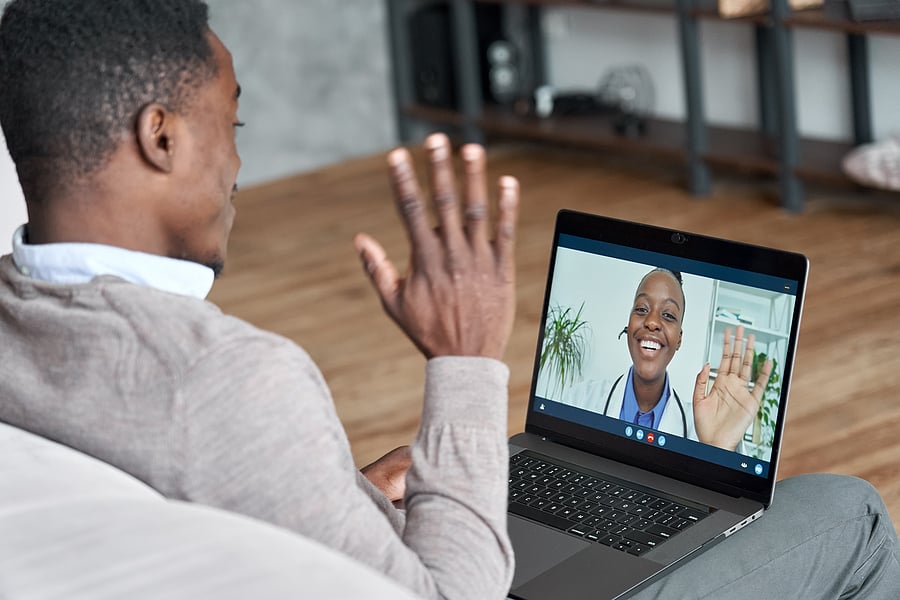
As of 2025, both the Commission on Collegiate Nursing Education (CCNE) and the Accreditation Commission for Education in Nursing (ACEN) permit telehealth clinical hours to count toward direct patient care without setting specific percentage caps at the national accreditor level.12 CCNE standards effective January 1, 2025, explicitly recognize telehealth as a valid modality for precepted clinical experiences when it meets program learning objectives.1 ACEN similarly supports technology-enabled care as part of contemporary health care environments.2 However, these accreditor policies represent only one layer of the approval process for telehealth hours. For a deeper comparison, see our guide to ACEN vs CCNE accreditation.
State Boards Set the Real Limits
State boards of nursing often impose their own restrictions on telehealth clinical hours independent of what accreditors allow.3 Many states require a minimum number of in-person, hands-on clinical hours to ensure students develop physical assessment and procedural skills. These state-level requirements typically range from requiring 50% to 75% in-person contact, though exact rules vary widely. Before accepting any telehealth placement, check both your state board of nursing's policy on telehealth clinical hours and your own NP program's internal cap. Most programs set their own limits at 25% to 50% of total clinical hours to maintain a balance between innovation and traditional hands-on training.4
Cross-State Precepting: Where Does Practice Location Matter?
When a student is physically located in State A but completes a telehealth rotation under a preceptor practicing in State B, the governing rule hinges on where the patient is located. The preceptor must hold an active APRN license in the state where the patient receives care, not simply where the preceptor sits.3 The Nurse Licensure Compact covers only RN and LPN/VN licenses and does not extend to advanced practice registered nurses as of 2026. The APRN Compact remains not widely implemented across states, leaving most cross-state telehealth rotations subject to traditional single-state licensure requirements.3 Schools often require additional state authorization documentation when placing students in out-of-state clinical sites, adding another approval hurdle.
Hybrid Rotation Models and Documentation Requirements
Some students combine in-person and telehealth hours within the same rotation under the same preceptor. This hybrid model works well for specialties like psychiatric mental health, where therapeutic communication can be demonstrated via video while occasional in-person sessions cover physical assessment. Programs typically require distinct documentation for each modality: time logs that separate telehealth from in-person encounters, preceptor verification of the care delivery method for each patient visit, and attestation that telehealth hours met the same learning objectives as face-to-face care.
Get Written Confirmation Before You Start
Always secure written confirmation from your NP program that your planned telehealth hours will count toward graduation requirements before starting any telehealth rotation. Email your clinical coordinator with the preceptor's name, practice location, patient population location, and the ratio of telehealth to in-person hours you plan to complete. Keep that approval email in your clinical placement file alongside your signed affiliation agreement. This single step prevents the painful discovery after 100 hours that your state board or program does not accept the rotation format you chose.
How to Evaluate Preceptor Quality and Handle Unsafe Placements
A clinical rotation is education, not employment, and you have both the right and the responsibility to walk away from a placement that does not teach you. Tolerating a bad site does more than make you miserable: it burns through hours you cannot easily replace, and at 500 to 700+ hours per specialty, every shift counts.
What a Quality Preceptor Actually Looks Like
Before you sign anything, vet the preceptor the way they should be vetting you. Strong placements share a few traits:
- Willingness to teach: The preceptor wants to explain reasoning, not just initial your hour log. Ask directly during your interview how they structure teaching during a typical clinic day.
- Patient volume and case mix: You need enough patients to build pattern recognition, and enough variety to meet your specialty's diagnostic objectives. A PMHNP student stuck seeing only medication refills is not getting a real rotation.
- Current, active credentials: Verify the preceptor's NP or MD license is active and unencumbered through your state board. Most schools require at least one year of independent practice post-certification.
- Alignment with your objectives: Share your school's competency checklist up front. If the preceptor's scope cannot cover the objectives, the site is not a fit, no matter how friendly the interview was.
Red Flags Worth Walking Away From
Some warning signs are obvious in retrospect but easy to rationalize in the moment. Take them seriously the first time you notice them: a preceptor who is rarely on site and hands you off to medical assistants or unlicensed staff, being used as free labor (rooming patients, doing front-desk work) without dedicated teaching time, prescribing or practice patterns that ignore current evidence-based guidelines, and any environment that feels hostile, dismissive, or unsafe for you or for patients.
Affiliation Agreements and Insurance
Most programs require a signed affiliation agreement between the school and the clinical site before your first shift. These contracts can take 60 to 120 days to negotiate, which is why faculty push you to identify sites a full semester early. You will also need your own student professional liability policy, typically $500,000 to $2M per claim and $1M to $6M aggregate.1 Purchase individual coverage rather than relying solely on a shared school policy so your protection follows you.2 Having resources like nurse practitioner apps can also help you stay current on guidelines and documentation during rotations.
Escalation: What to Do When a Placement Goes Wrong
Document concerns in writing the same day they happen: dates, times, what was said or done. Notify your clinical coordinator immediately rather than waiting for the midterm evaluation. You have the right to refuse an unsafe assignment, and programs have formal processes for mid-rotation site changes. Use them. The lost week is far cheaper than a documented patient-safety event tied to your name.
What Nurse Practitioners Earn After Completing Clinical Training
The preceptor search can feel overwhelming, but it helps to remember what waits on the other side. According to BLS data, nurse practitioners across the country earn a strong return on their investment in clinical training. The table below highlights the five highest-paying states by median annual salary, giving you a concrete picture of the career payoff once those clinical hours are behind you.
| State | Median Annual Salary | 25th Percentile | 75th Percentile | Total Employed |
|---|---|---|---|---|
| California | $166,610 | $140,260 | $205,400 | 20,980 |
| New Jersey | $149,620 | $126,030 | $162,250 | 9,590 |
| Alaska | $145,450 | $104,000 | $165,510 | 570 |
| New York | $145,390 | $128,190 | $164,670 | 20,430 |
| Oregon | $144,600 | $129,840 | $163,240 | 2,430 |
FAQs About Finding NP Clinical Preceptors
These are the questions nurse practitioner students ask most often when navigating the clinical placement process. Each answer offers a quick overview, and you can find deeper detail in the corresponding section of this guide.
- How do I find a clinical preceptor for NP school?
- Start by tapping your existing professional network: nurse practitioners, physicians, and clinical managers you already work with. Contact local clinics, hospitals, and specialty practices directly. Join NP student forums and professional organizations that maintain preceptor databases. If self-sourcing falls short, consider a preceptor matching service. The step-by-step section of this guide walks you through the full process from first outreach to signed agreements.
- Do NP programs help you find clinical placements?
- It varies widely. Some programs have dedicated clinical placement offices that arrange every rotation for you, while others expect students to find their own preceptors with minimal support. Before enrolling, ask each program exactly what level of placement assistance they provide, whether they have established clinical site partnerships in your area, and what happens if you cannot secure a placement on your own.
- How many clinical hours do nurse practitioner students need?
- Most NP programs require a minimum of 500 direct patient care hours, though many now require 600 to 750 or more. Psychiatric mental health (PMHNP) and acute care tracks may have different benchmarks. Hours must typically be completed under a qualified preceptor in settings that align with your specialty. Check the clinical hours section of this guide for a breakdown by NP concentration.
- How much do NP preceptor matching services cost?
- Preceptor matching services generally charge between $400 and $2,000 or more per clinical rotation, depending on your specialty, geographic location, and the number of hours required. Some services offer bundled packages covering multiple rotations at a reduced per-rotation rate. Before paying, verify that the service coordinates with your program's clinical office and that placements meet your school's accreditation requirements.
- Can NP students do clinical rotations via telehealth?
- Some programs and state boards now permit a limited portion of clinical hours to be completed through telehealth, but policies differ significantly by program, state, and certification body. Telehealth hours often cannot replace the full in-person requirement. Review the telehealth section of this guide for current guidelines, and always confirm with your program and state board before committing to a telehealth rotation.
- What should I do if my NP clinical placement is unsafe or not educational?
- Document your concerns with specific examples, then bring them to your clinical coordinator or faculty advisor right away. Most programs have formal processes for addressing problematic placements, including reassignment to a new site. You should never remain in a setting that compromises patient safety or your learning. The section on evaluating preceptor quality covers red flags to watch for and how to handle these situations.
- Can I use a physician (MD or DO) as my NP preceptor?
- In many programs, yes, a physician can serve as your preceptor, particularly in specialty or acute care rotations where NP preceptors may be scarce. However, accreditation standards and individual program policies sometimes require that a certain number of hours be supervised by a board-certified nurse practitioner. Always confirm with your clinical coordinator before finalizing any physician-precepted rotation.
- How early should I start looking for a preceptor?
- Begin your search at least six months before your clinical rotation is scheduled to start. High-demand specialties like psychiatric mental health and pediatrics may require an even longer lead time. Early outreach gives you more options, lets you build relationships with potential preceptors, and provides a buffer if your first choice falls through. The step-by-step section outlines a timeline to keep you on track.
Finding a preceptor is genuinely hard, but the students who struggle most are usually the ones who treat it as a single task rather than a system. Start your search a full year before your clinical rotation begins, keep a running spreadsheet of every contact and follow-up, and send three outreach emails this week while the momentum is fresh.
If your personal network runs dry, know your options. Paid matching services can fill gaps that cold outreach cannot, and telehealth rotations may open doors that geography would otherwise close. Just verify your program's telehealth hour policy with your state board and program director before committing. The license waiting on the other side of those clinical hours is worth building a real process to reach it.