Important Facts Within This Article
- FNPs have far more career options than traditional primary care. While physician offices and primary care clinics are common settings, FNPs also work in hospitals, emergency departments, urgent care, retail clinics, schools, home health, hospice, telehealth, and specialty practices.
- Family nurse practitioners play a major role in expanding access to care. Their training allows them to serve patients across the lifespan, especially in rural communities, community health centers, FQHCs, and other underserved settings where primary care providers are urgently needed.
- The role offers strong flexibility and long-term career mobility. Because FNPs are trained as broad primary care providers, they can shift between different patient populations, clinical environments, and specialty areas as their interests and goals evolve.
- Demand for FNPs is strong, making preparation especially important. With nurse practitioner employment projected to grow rapidly, aspiring FNPs should look for programs that offer strong clinical training, real-world experience, and preparation for national certification.
Considering a career as a family nurse practitioner (FNP)? You may be wondering what kind of working life you'll have. FNPs are trained to provide primary care to patients of all ages, from newborns to older adults. That "primary care" label can conjure up a specific image of what FNPs do: consulting with patients in the exam rooms of a private practice.
Primary Care Clinics and Physician Offices
There's a reason why primary care clinics are what people think of when they imagine FNPs at work: it's where FNPs are most likely to be employed. According to the U.S. Bureau of Labor Statistics, the most common employers for NPs in 2024 were physicians' offices (46 percent), hospitals (25 percent), and outpatient care centers (9 percent).
In primary care clinics and physician offices, FNPs will:
- Conduct patient exams
- Diagnose conditions
- Order and interpret diagnostic tests
- Prescribe medications, consistent with applicable state practice authority requirements
- Provide preventive health counseling
FNPs may also operate their own independent practices in states with full practice authority. At present, 27 states plus the District of Columbia offer FNPs this authority.
Emergency Departments and Hospitals
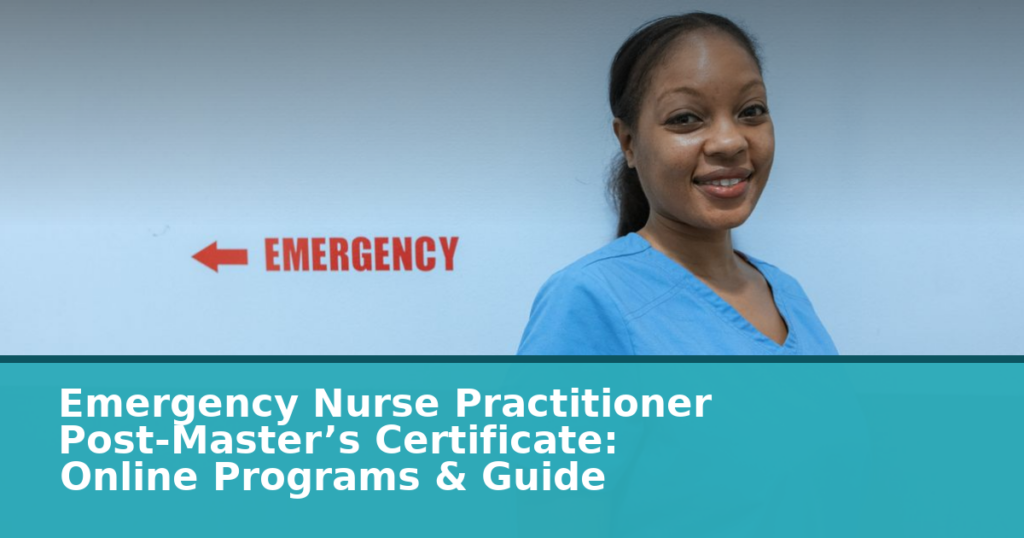
FNPs are most closely associated with outpatient care. However, many also work within hospital systems. You can find FNPs and other NPs rounding on inpatient floors or coordinating care in post-operative units. In the emergency department (ED), FNPs can help triage patients, manage non-critical cases, and offer psychological support to patients and their families, as well as instruct them on follow-up care after discharge.
Hospital-based FNPs work collaboratively with physicians, social workers, acute care NPs, and care coordinators to address the full scope of a patient's needs. Research shows that hospitals with FNPs and other NPs on staff have better patient outcomes, including reduced mortality, lengths of stay, and readmission rates.
Retail Health and Urgent Care Clinics
More and more patients rely on urgent care centers and retail health clinics. A 2023 report from the Urgent Care Association found that the number of urgent care centers doubled in less than ten years. Often, FNPs are the primary care providers at these locations.
In an urgent care setting, an FNP will treat conditions that require prompt attention but may not warrant an emergency room visit. This can include everything from sprains and lacerations to respiratory infections and allergic reactions.
Retail clinics are located inside pharmacies and large retailers. They provide walk-in care for less complicated conditions, such as upper respiratory infections and minor injuries. Retail clinics tend to be popular because they have longer operating hours: a paper from the American College of Physicians notes that retail clinics typically see most of their patients in the evenings and weekends.
Both acute care and retail clinics offer FNPs another way to provide essential, accessible care to patients across the lifespan.
Community Health Centers and Rural Health Clinics
One of the most critical roles FNPs perform is expanding access to care for underserved communities. For populations that are geographically isolated or live in areas where residents live below the poverty level, community health centers and federally qualified health centers (FQHCs), along with the FNPs who staff them, fill an urgent need.
NPs tend to provide care for patients who face barriers to care. For example, the AANP reports that 92.1% of NPs see patients below the poverty level, and 80% of full-time NPs see Medicaid patients. A 2025 literature review also found that NPs are more likely than physicians to work in rural primary care. Both of these settings offer FNPs the opportunity to practice at the top of their license while also increasing the quality and accessibility of care.
Schools and University Health Centers
FNPs can also make a difference in schools, colleges, and universities. Because FNPs are trained to care for patients across the lifespan, they're well-suited to serve young people of all ages, from K–12 students to young adults on college campuses.
In these environments, FNPs provide services such as:
- Primary care
- Wellness screenings
- Immunizations
- Mental health assessments
Schools and colleges are also places where FNPs provide preventive care and health education to help young people build healthy habits. At university health centers, FNPs may also be able to act as preceptors for student FNPs completing clinical rotations.
Home Health and Hospice Care
FNPs can also provide home and hospice care. Home health FNPs conduct assessments, adjust care plans, manage medications, and coordinate with specialists. This reduces the need for patients to travel to a clinic.
In hospice settings, FNPs bring a compassionate, holistic approach to symptom management and family support during end-of-life care. Research shows that NPs and FNPs can help improve the patient experience in long-term and palliative care settings.
Telehealth and Virtual Care
Thanks to the COVID-19 pandemic, virtual health care consultation, or "telehealth," is now a rapidly growing healthcare delivery option. FNPs are well-positioned to lead in this space. Virtual visits carried out via secure video or phone connections allow FNPs to conduct consultations, manage chronic conditions, review lab results, and provide follow-up care.
According to a study in the Journal of Nursing Regulation, approximately 63% of certified NPs shifted at least some of their consultations to telehealth during the pandemic. This shift has persisted. A 2025 FutureCare Nursing report (Wolters Kluwer Health), for example, found that 66% of nurse leaders plan to launch or expand telehealth models.
Telehealth is especially valuable for reaching patients in rural communities where in-person care is less accessible; it is another way FNPs can support underserved populations.
Specialty and Niche Practices
FNPs train for generalist primary care. The FNP curriculum is broad, spanning pediatrics, adult care, geriatrics, and women's health. However, many FNPs choose to focus their careers on specific patient populations or clinical areas.
You may find FNPs working in dermatology, aesthetic medicine, cardiology, endocrinology, or occupational health. Others work in Veterans Affairs (VA) clinics, correctional health facilities, or public health departments. The clinical education FNPs receive establishes a foundation that can help them transition between specialties and practice settings over the course of their careers.
Preparing for the Practice Settings That Interest You
Wherever you plan to practice, you'll want to find an MSN-FNP program that emphasizes both clinical depth and adaptability. West Coast University's online MSN–Family Nurse Practitioner specialization combines an evidence-based curriculum with precepted clinical hours designed to give you real-world experience with patients. The program is accredited by the CCNE.
WCU's FNP students participate in on-site intensive weekend sessions focused on clinical readiness. Then, they complete precepted clinical hours alongside working providers in a variety of healthcare facilities and settings. By the time they graduate, WCU FNPs are already familiar with a range of practice types and patient populations.
Graduates of WCU's MSN-FNP program are eligible to sit for the national certification exam through the American Nurses Credentialing Center (ANCC) or the AANP Certification Board, which is a step toward practicing in the setting that matches your goals.
Finding Your FNP Practice Setting
Flexibility is a main attraction of the FNP role. Whether you see yourself in a busy urban urgent care clinic, a rural community health center, a high school, or a hospital emergency department, the FNP credential opens a wide range of possibilities.
The practice setting you choose may evolve over time as your interests, skills, and career goals develop. Preparing you to adapt to whatever kind of care your community needs is the goal of any FNP program from day one.
Frequently Asked Questions
Q: How long does it take to become a Family Nurse Practitioner?
A: Most MSN-FNP programs take 2–3 years to complete, depending on whether you attend full- or part-time and your prior nursing experience. West Coast University’s MSN-FNP Accelerated Pace is designed to be completed in as few as 20 months. Program lengths vary by schedule and session.
Q: How in demand are Family Nurse Practitioners?
A: FNP is one of the fastest-growing healthcare careers in the U.S. The Bureau of Labor Statistics projects nurse practitioner employment to grow 35% between 2024 and 2034, which is much faster than average for all occupations. This demand is driven by a growing and aging population, physician shortages in primary care, and expanded NP scope of practice in many states.